
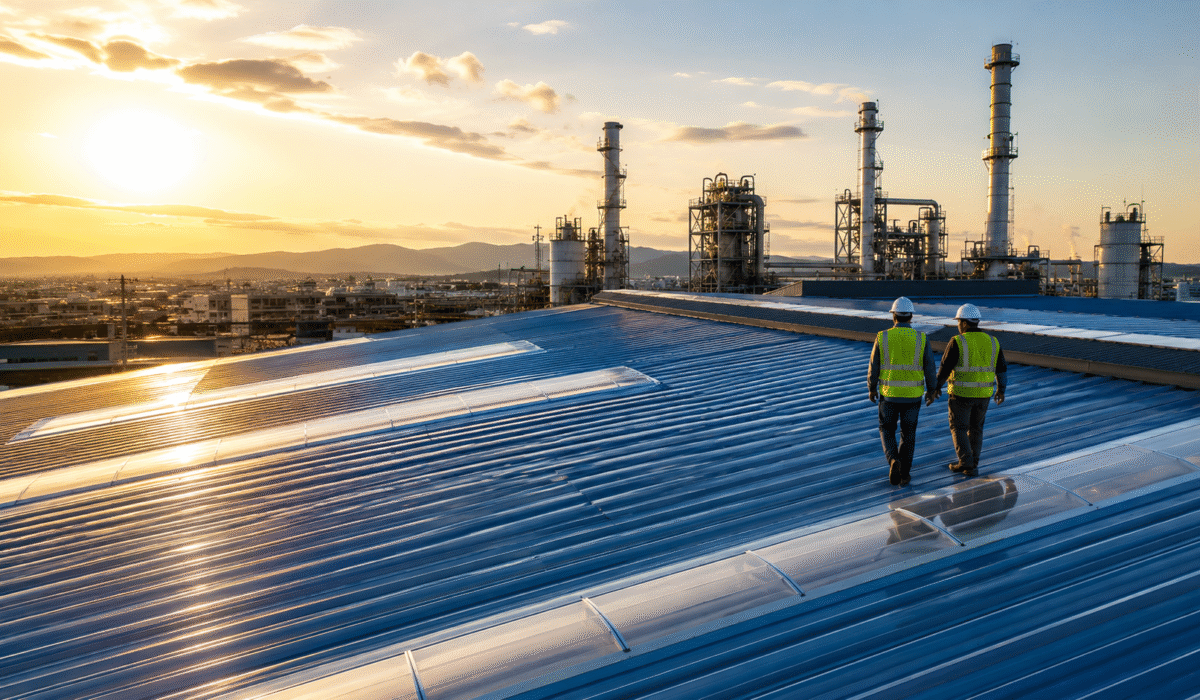
Industrial roofing sheets are one of the most important investments in any commercial or industrial building. Whether it is a warehouse, factory, manufacturing unit, agricultural shed, or logistics center, the roof plays a critical role in protecting the structure from heat, rain, corrosion, and environmental damage.
One of the most common questions business owners ask is: How long do industrial roofing sheets last?
The answer depends on several factors, including the material quality, environmental conditions, installation process, and maintenance practices. Choosing the right roofing sheets and maintaining them properly can significantly increase their lifespan while reducing long-term repair costs.
At Sri Raja Rajeswari Industries, we provide durable and high-performance industrial roofing solutions designed for long-lasting protection and efficiency. In this guide, we will explain the average lifespan of industrial roofing sheets, the factors that affect durability, and practical maintenance tips to maximize roof performance.
Average Lifespan of Industrial Roofing Sheets
Different roofing materials have different durability levels. Here is a general estimate of how long common industrial roofing sheets can last with proper maintenance.
| Roofing Sheet Type | Average Lifespan |
|---|---|
| Galvanized Iron (GI) Sheets | 15–25 Years |
| PPGI Roofing Sheets | 20–30 Years |
| Color-Coated Roofing Sheets | 20–35 Years |
| Aluminum Roofing Sheets | 30–45 Years |
| Polycarbonate Roofing Sheets | 10–20 Years |
| PUF Insulated Roofing Panels | 25–40 Years |
The actual lifespan may vary depending on climate, industrial exposure, and maintenance frequency.
Factors That Affect the Lifespan of Industrial Roofing Sheets
1. Material Quality
The quality of the roofing material directly affects durability. High-grade steel, aluminum, and coated sheets provide better resistance against rust, moisture, and corrosion.
Premium roofing sheets usually come with:
- Better protective coatings
- Improved weather resistance
- Stronger structural integrity
- Longer warranty periods
Low-quality sheets may appear cost-effective initially but often lead to higher repair and replacement costs.
2. Weather and Environmental Conditions
Industrial roofing sheets constantly face exposure to:
- Heavy rainfall
- UV radiation
- High temperatures
- Humidity
- Pollution
- Coastal salt exposure
Buildings located near coastal areas or chemical industries may experience faster corrosion if the roofing material is not properly protected.
For harsh environments, corrosion-resistant roofing sheets are highly recommended.
3. Installation Quality
Even the best roofing sheets can fail early if installation is poor.
Common installation mistakes include:
- Improper fastening
- Incorrect overlap alignment
- Weak structural support
- Poor drainage planning
- Inadequate sealing
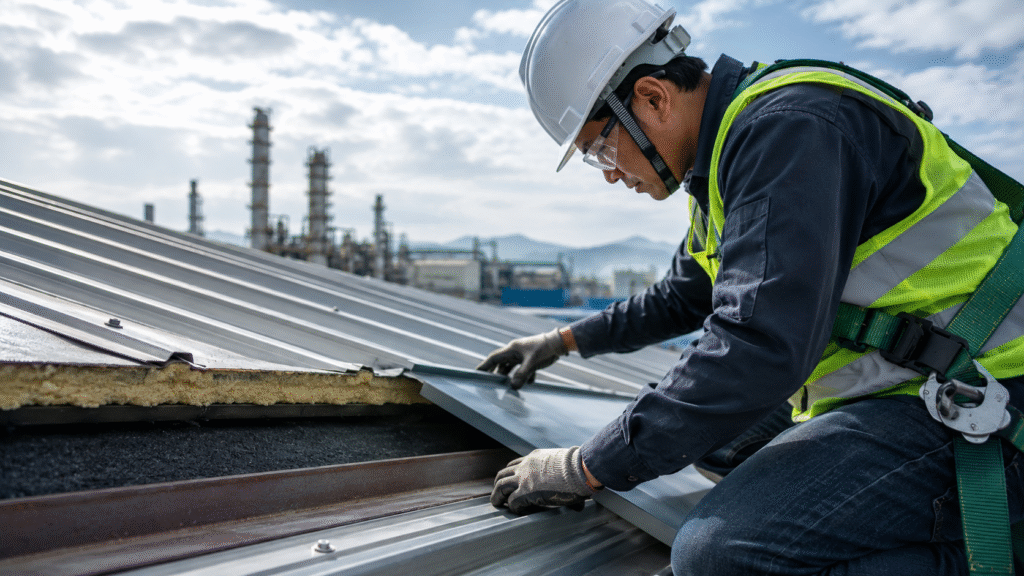
Professional installation ensures the roofing system remains secure, leak-resistant, and structurally stable for years.
4. Roof Maintenance Practices
Regular maintenance has a major impact on roof lifespan. Neglected roofs often develop:
- Water leakage
- Rust formation
- Loose fasteners
- Structural weakening
- Surface damage
Routine inspections and preventive maintenance can extend the life of industrial roofing sheets significantly.
Signs Your Industrial Roofing Sheets Need Attention
Identifying roofing issues early helps prevent costly damage.
Watch for these warning signs:
- Rust or corrosion spots
- Water leakage during rain
- Loose or damaged fasteners
- Cracks or dents
- Fading protective coating
- Increased indoor heat
- Mold or moisture buildup
If these problems are ignored, the roof may require major repairs or complete replacement sooner than expected.
Maintenance Tips to Extend Roofing Sheet Lifespan
1. Schedule Regular Roof Inspections
Inspect industrial roofing sheets at least twice a year.
Focus on checking:
- Fasteners and screws
- Surface rust
- Water pooling
- Joint seals
- Structural movement
Early detection helps avoid expensive repairs later.
2. Clean the Roof Periodically
Dust, debris, leaves, and industrial pollutants can trap moisture and accelerate corrosion.
Regular cleaning helps:
- Prevent rust formation
- Improve drainage
- Maintain appearance
- Protect coating quality
Use soft cleaning methods to avoid damaging the protective surface coating.
3. Repair Minor Damage Quickly
Small issues can become major structural problems if left untreated.
Immediate repairs should be done for:
- Minor leaks
- Loose screws
- Small cracks
- Surface scratches
- Damaged flashing
Quick maintenance increases roof durability and reduces downtime.
4. Apply Protective Coatings
Protective coatings improve resistance against:
- UV rays
- Rainwater
- Corrosion
- Chemical exposure
Recoating older roofing sheets can restore durability and improve thermal performance.
5. Ensure Proper Drainage
Water accumulation is one of the biggest causes of roofing damage.
Maintain:
- Clean gutters
- Proper roof slope
- Unblocked drainage channels
Good drainage prevents leakage and reduces corrosion risk.
6. Avoid Excessive Roof Load
Industrial roofs are designed for specific weight capacities. Excessive loads from equipment, debris, or improper usage can weaken the structure over time.
Avoid:
- Unnecessary rooftop storage
- Excessive foot traffic
- Unsupported equipment installations
Best Roofing Sheets for Long-Term Durability
PPGI Roofing Sheets
PPGI sheets are widely preferred for industrial buildings because they offer:
- Corrosion resistance
- Attractive finish
- Long service life
- Heat resistance
- Low maintenance
They are ideal for warehouses, factories, and manufacturing plants.
PUF Insulated Roofing Panels
PUF roofing panels combine durability with insulation benefits.
Advantages include:
- Energy efficiency
- Temperature control
- Moisture resistance
- Reduced noise
- Long lifespan
These panels are commonly used in cold storage and temperature-sensitive facilities.
Aluminum Roofing Sheets
Aluminum sheets provide excellent resistance against corrosion and are highly suitable for coastal regions.
Benefits include:
- Lightweight structure
- Long lifespan
- Rust resistance
- Minimal maintenance
Why Choose Sri Raja Rajeswari Industries?
At Sri Raja Rajeswari Industries, we provide industrial roofing solutions built for durability, efficiency, and long-term performance.
Our strengths include:
- High-quality roofing materials
- Customized roofing solutions
- Reliable manufacturing standards
- Competitive pricing
- Expert technical support
- Timely delivery
We help industries choose roofing systems that deliver both structural strength and long service life.
Conclusion
The lifespan of industrial roofing sheets depends on material quality, environmental conditions, installation standards, and maintenance practices.
High-quality roofing sheets combined with regular maintenance can easily last 20 to 40 years or more. Investing in durable roofing materials today can reduce repair costs, improve energy efficiency, and protect industrial operations for the long term.
At Sri Raja Rajeswari Industries, we offer reliable industrial roofing solutions designed to withstand demanding conditions while delivering excellent performance and durability.
Frequently Asked Questions (FAQs)
1.How long do industrial roofing sheets typically last?
Most industrial roofing sheets last between 15 and 40 years depending on the material type and maintenance quality.
2.Which roofing sheet lasts the longest?
Aluminum and PUF insulated roofing panels generally offer the longest lifespan with proper maintenance.
3.How often should industrial roofs be inspected?
Industrial roofs should ideally be inspected at least twice a year and after severe weather conditions.
4.Can rusted roofing sheets be repaired?
Minor rust can often be treated and repaired. However, severe corrosion may require partial or full sheet replacement.
5.Are insulated roofing panels worth the investment?
Yes. Insulated roofing panels improve energy efficiency, temperature control, and long-term durability.
6.What causes industrial roofing sheets to fail early?
Poor installation, lack of maintenance, water accumulation, corrosion, and low-quality materials are common causes of early roof failure.